


Cars parked in the sun can heat up incredibly quickly, with cabin temperatures reaching up to 70°C (158°F) within minutes, while dashboard temperatures can soar even higher to around 80°C (176°F). This extreme heat can cause severe damage to both the interior and exterior of the vehicle. Heat buildup can degrade the plastics inside the car, lead to cracking of leather and upholstery, and even pose health risks to passengers due to heatstroke or burns when touching the hot surfaces. From the dangers of high temperatures inside the cabin to potential damage to your car’s paint, parking outdoors can have some long-term effects. In contrast, recent developments in solar technology can help harness the sun’s energy for positive purposes. UV rays from the sun cause the car's paint to fade and become brittle over time. This issue is particularly noticeable in regions with high solar exposure, where paint can crack and lose its sheen. Additionally, prolonged exposure to sunlight can dry out and crack rubber parts such as door seals and wiper blades. Cars that are stored outside and exposed to constant sunlight without protection will also experience a quicker degradation of engine fluids and belts, leading to more frequent repairs and maintenance needs. Parking vehicles in the sun, especially in urban areas, contributes to the urban heat island effect, where the heat absorbed by asphalt and vehicles raises local temperatures. This effect not only worsens air quality but also increases energy consumption due to the higher demand for air conditioning and cooling systems. To mitigate these effects, it is crucial to park vehicles in shaded or covered areas whenever possible. Using sunshades, applying protective films on windows, and covering the car when parked for extended periods can help reduce the risk of damage from solar exposure. These simple steps can extend the life of the car’s paint, rubber seals, and interior materials.
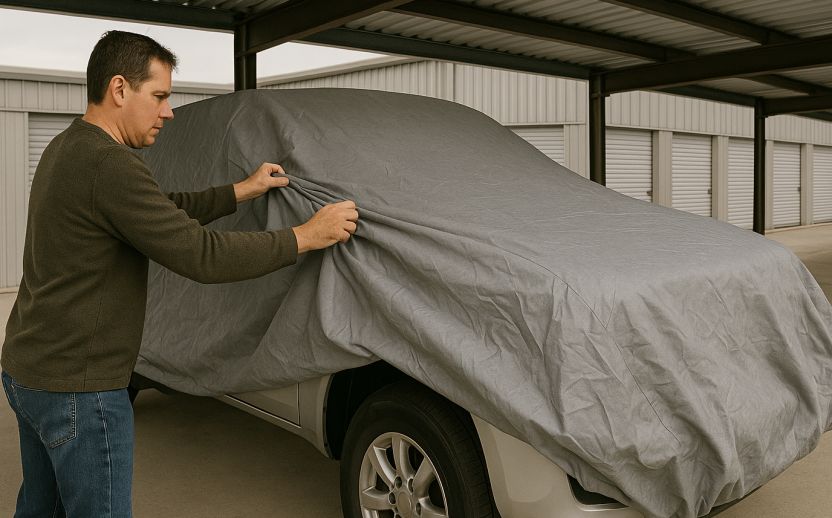
Although occasionally parking outside seems inevitable, there are numerous techniques to minimize its negative impacts. One of the best methods to cut direct solar exposure is to, wherever feasible, choose covered or shaded parking. Especially in areas with high temperatures, covering the car when parked provides still another degree of protection. Although it's not always useful for daily use, a full car cover greatly lessens heat and sun exposure. Regular tire pressure checks are important since heat variations can dramatically affect inflation rates. Maintaining correct tire pressure helps to prevent unequal wear and lower blowout risk. Furthermore, helping to prevent overheating and mechanical breakdowns is maintaining basic fluid levels and tracking belt and hose condition. By taking proactive measures such as seeking shade, using protective coverings, and maintaining vehicle components, car owners can minimize the impact of sun damage and extend the lifespan of their vehicles. A little effort in protecting a car today can prevent costly repairs and deterioration in the future.